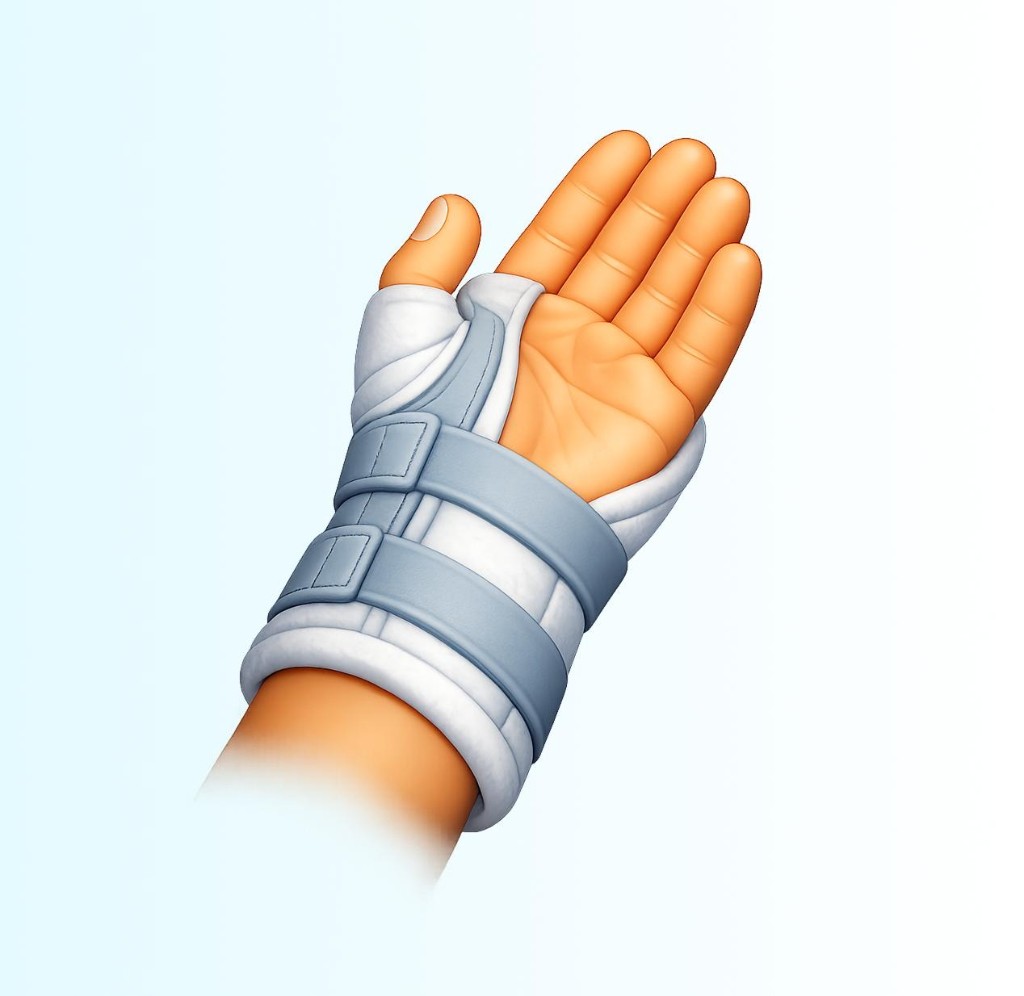
Carpal tunnel syndrome: education, conservative care, and when surgery is discussed
Hand & wrist conditions··7 min read·By HandTherapy·Education only; not individualized medical advice.
Legal notices for this article (informational)
Journal articles summarize topics with cited sources for education. Citations are for context, not an endorsement by those organizations. This is not individualized medical or legal advice.
Carpal tunnel syndrome refers to median nerve irritation at the wrist in a predictable anatomy pattern. It is common — and it is also easy to misattribute to other nerve problems. AAOS OrthoInfo and NIAMS both emphasize clinician evaluation.
Use the learn library as a structured starting point
Read the HandTherapy condition page for carpal tunnel syndrome, review splint education for wrist cock-up positioning, and if surgery is on the table, read carpal tunnel release for phase-based expectations.
Movement education when appropriate
If your clinician clears gentle nerve and tendon mobility work, the app includes median nerve glides and tendon glides with explicit stop rules.
Explore on HandTherapy.app
These in-app guides pair with this article. They are educational, not a personalized plan.
Evidence & product framing
Journal articles cite external literature for education — see how HandTherapy.app uses research as a transparency layer, not proof of clinical validation.
Related articles
- The ninety-second hand recovery habit: tiny movement snacks between tasks
Ergonomic and therapy education often emphasize pacing and brief movement breaks. Here is how to think about “micro” sessions without over-promising outcomes.
- Therapy putty: resistance levels, household alternatives, and pacing ideas
Putty is a common graded-resistance tool for gentle squeeze work — rice bins, soft balls, or therapy dough can be discussed as alternatives when access or texture matters.
- Desk ergonomics for wrists: supports, micro-breaks, and nerve glide snacks
Keyboard and mouse setups interact with symptoms — gentle wrist motion and median nerve glide education are common adjuncts when a clinician clears them.
- Surgery recovery milestones vs. vacation time off: why the timelines differ
Paid time off, flight logistics, and swelling control are not interchangeable with surgeon clearance. Use education pages to align expectations with your team.
Sources & further reading
- Carpal Tunnel Syndrome — AAOS OrthoInfo(accessed 2026-04-22)
- Carpal tunnel syndrome — NIAMS (NIH)(accessed 2026-04-22)
Was this article helpful?
Your choice is saved only in this browser. We may record an anonymous helpful / not-helpful tally — not your article text.