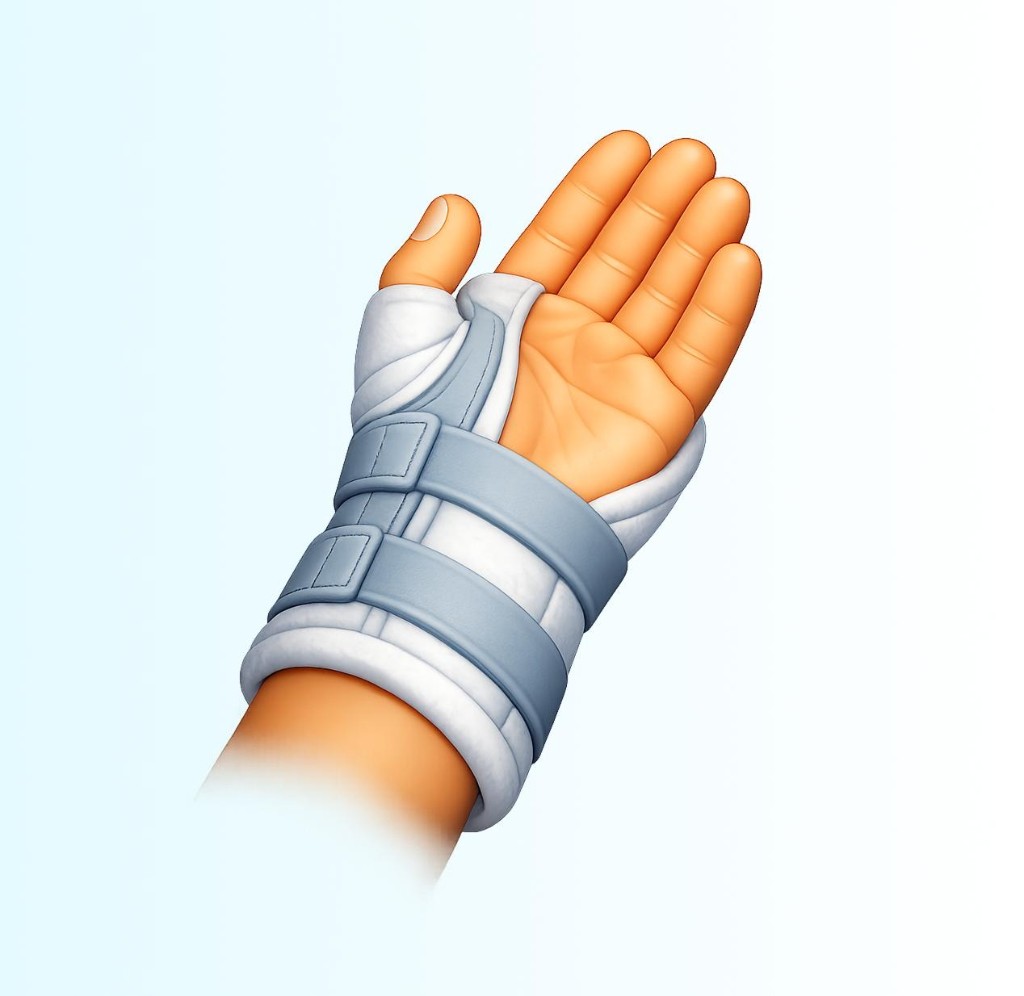
Stopping on time is the best exercise.
Hand tissue does not reward extra reps. The biggest avoidable setback in home therapy is doing too much, too soon. This page shows what HandTherapy.app does — and refuses to do — to keep recovery inside the safe zone.
Hand-heavy jobs and dose caps
Heavy work days change how much extra home exercise is reasonable — compare job-shaped patient profiles for education, not clearance.
Daily readiness
How does the hand feel today?
Pick the closest answer for each row. The result picks one of five safe states and a what-not-to-do list.
Recovery phase
Pain vs yesterday
Swelling vs yesterday
Numbness or tingling
How did the hand feel this morning?
Other load today
You are in the safe zone today.
Continue as planned. Stay inside the cap — your best exercise today is stopping on time.
Do today
- • Mobility
- • Tendon glides
- • Nerve glides
- • Strengthening
- • Dexterity
- • Scar work
- • Sensory retraining
Cap multiplier: 1.0x of your default reps.
Not today
No end-range or forced stretching
Forcing range can pull on healing tissue or scar.
Do instead: Move only as far as feels comfortable. · Safe again: Once the active-motion phase is unlocked.
Missed sessions cannot be made up by doubling volume. Extra reps add load to tissue that is still recovering from yesterday and can flare the hand. Resume the normal dose, or use the minimum-viable session if you are short on time.
Minimum viable session
- • 2 minutes of gentle open-and-close
- • 5 tendon glide reps
- • 1 swelling check + elevation
Caps
Hard caps and soft caps
Every exercise carries a cap. Some are non-negotiable; others can be bypassed with a reason.
Cannot be bypassed. Used for post-op, fresh fracture, tendon repair, nerve repair, open wounds, and clinician-only exercises.
Can be bypassed with a reason, but the app will discourage it. Repeated bypasses are tracked and shared with your clinician (when connected).
Stop rules
When to stop, no matter what the plan says
These rules apply on every routine, every phase. The app surfaces them inside each exercise.
Sharp, sudden, or stabbing pain
Stop the exercise. Sharp pain is a warning, not a goal. Rest, elevate, and try the calm-down option later if it settles.
Swelling that increases noticeably during or after exercise
Pause the routine and switch to today's flare-safe plan. Swelling means the tissue has had enough load.
Numbness or tingling that lingers after the exercise
Stop nerve glides and stretches. Lingering nerve symptoms mean the nerve is irritated, not loosening.
Finger color change (white, blue, or dusky)
Stop and contact your clinician or follow your clinic's urgent guidance. Do not continue exercise.
Sudden pop, sudden loss of motion, or wound concern
Stop immediately and contact your surgeon or clinic. Do not exercise the hand again until cleared.
Hand is clearly worse the next morning
Today's plan is lighter so symptoms can settle. This is not a setback — it is how recovery stays on track.
Browse sessions after you read stop rules
Safety pages set expectations — the exercise and movement libraries show caps and labels in context; clear filters for browsing only.