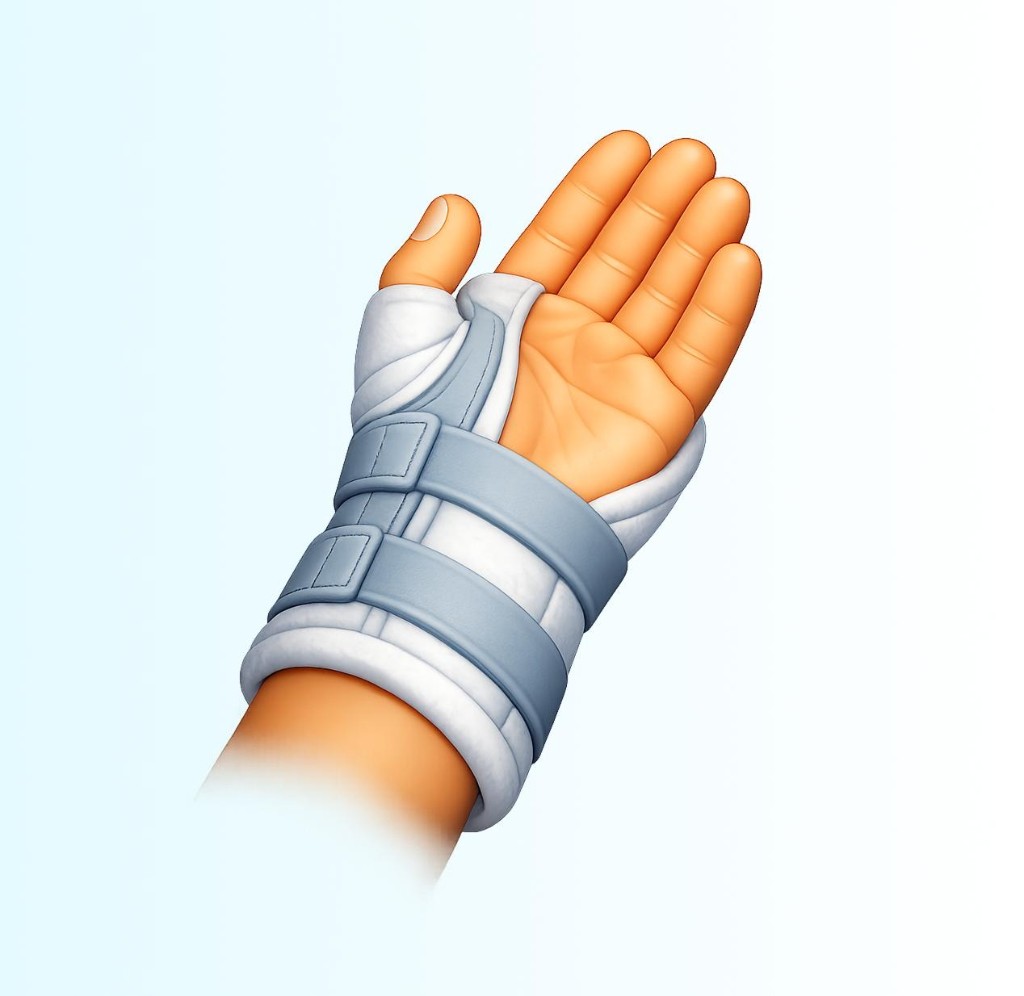
Ulnar nerve glide (gentle)
Slowly floss the ulnar nerve pathway with small wrist and finger changes. Stop if ring or small-finger numbness ramps up.
Do this exercise
1 set × 5 reps · hold 2s each. Watch the demo and tap through at your own pace — we log your reps, holds, and how it felt.
Prefer the classic step-by-step timer?
Start with the elbow bent comfortably, wrist straight, fingers relaxed.
Ready when you are
We'll guide you through 6 short steps — about 32 seconds of guided motion. Pause or stop anytime — nothing is uploaded.
Have ready: No special equipment
Contraindications & stop if…
When not to do this
- Cubital tunnel surgery before clearance
- Ulnar nerve subluxation without clinician guidance
- Active elbow fracture or dislocation
Stop if
- Ring or small-finger numbness that lasts after you stop
- Elbow pain that sharpens with each repetition
- Night symptoms that suddenly worsen
Prefer a quick pacing gate before the timer? Use full guided session — it asks for pain, stiffness, and fatigue in a few taps first (education only, not clearance).
Why it helps
The ulnar nerve moves with wrist and elbow position. Gentle, symptom-limited glides are commonly used in hand therapy to support comfort and tolerance.
What it should feel like
A mild tug along the inner forearm or elbow. Tingling should ease or stay flat — never build.
Target area
Wrist, elbow, ring and small fingers
Stop if you notice
- Ring or small-finger numbness that lasts after you stop
- Elbow pain that sharpens with each repetition
- Night symptoms that suddenly worsen
Get clearance first if
- Cubital tunnel surgery before clearance
- Ulnar nerve subluxation without clinician guidance
- Active elbow fracture or dislocation
Instructions, dose & tipsSetup, how many to do, and common mistakes
How to do it well
Goal, setup, dose, and the things therapists most often have to repeat. This is education — not a replacement for your clinician's plan.
Before you start
- Keep the shoulder relaxed — tension upstream changes nerve tension.
- If symptoms spike, reduce range or stop for the day.
- This is education, not a substitute for your surgeon or therapist plan.
Today's dose
- Reps
- 5
- Sets
- 1
- Hold
- 2s
- Sessions / day
- 2
- Rest
- 45s
- Pain ceiling
- 2/10
Common mistakes
- Forcing a big wrist bend instead of a tiny, comfortable arc
- Speeding up when the hand feels "fine" — nerves respond to slow dosing
- Doing dozens of reps when a few controlled reps are enough
Easier version
- Skip the ulnar tilt; only open and close the fist slowly
- Do 3 reps once per day for the first week
How did this feel?
One tap. Saved as a question for your next visit when relevant — never auto-shared.